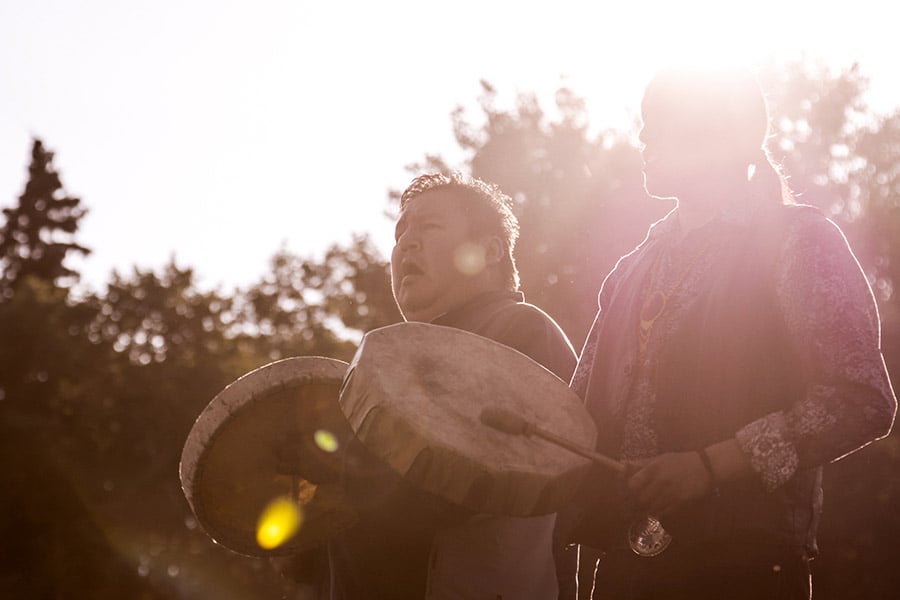
At Reconciliation Education, we have the privilege of working alongside organizations that are committed to embedding reconciliation as part of their workplace culture. One of those organizations is Deloitte Canada, whose commitment to education has become a cornerstone of its broader Reconciliation Action Plan.
We recently sat down with Deloitte to reflect on their journey, what inspired them to invest in Indigenous-led learning, and how education continues to shape their approach to advancing reconciliation.
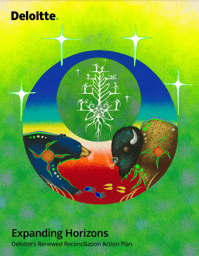 When we asked Deloitte what motivated them to collaborate with Reconciliation Education, they shared that education was always intended to be the foundation of their reconciliation journey. As they prepared to launch their first Reconciliation Action Plan in 2020, they wanted learning that would respond to the Truth and Reconciliation Commission's Call to Action #92 while helping more than 15,000 professionals understand Canada's shared history with First Nations, Inuit and Métis Peoples. They were looking for Indigenous-led education that reflected diverse voices from across the country and moved beyond awareness toward meaningful understanding and action.
We also asked how the course has influenced their employees. Deloitte explained that the learning created a common foundation across the firm, leading to more open conversations about treaties, Indigenous rights, residential schools, colonization, and the ongoing realities Indigenous Peoples continue to face. Employees have reflected on how the course has strengthened their ability to be better colleagues, leaders, and advisors while encouraging them to consider the role they each play in the journey of reconciliation.
One of the most meaningful questions we asked was what resonated most with their team. Deloitte shared that hearing directly from Elders, youth, and Indigenous speakers from communities across Canada had a lasting impact. The combination of personal stories, documentaries, interviews, and multimedia helped many participants recognize gaps in their own understanding. For some, the learning was deeply emotional and transformative, with many describing it as one of the most impactful learning experiences the firm has offered.
Looking ahead, we asked how Deloitte plans to build on this learning. Their answer reinforced an important truth: reconciliation is not a one-time training. The course has become the foundation of Deloitte's broader Indigenous Learning Portfolio, supporting continued education on navigating Indigenous identity, addressing tokenization, understanding inherent rights, coaching through an Indigenous lens, and commitment-to-action programming. These learnings continue to influence leadership, recruitment, Indigenous partnerships, supplier diversity, and client service across the organization.
Finally, we asked what advice they would offer to other organizations beginning their own reconciliation journey. Deloitte emphasized that meaningful change starts with leadership and a genuine commitment to learning. They encouraged organizations to invest in Indigenous-led education, build authentic relationships with Indigenous partners, and recognize that reconciliation is an ongoing responsibility rather than a single training requirement.
At Reconciliation Education, we are honoured to support organizations like Deloitte that understand education is only the beginning. Their journey demonstrates what is possible when learning leads to reflection, reflection leads to action, and action becomes embedded in an organization's culture. Together, we can continue creating workplaces where reconciliation is lived through everyday decisions, relationships, and commitments.

Contributed by Feather Pewapisconias-McKee
Education Director, Reconciliation Education